

What Happens When the Contractor’s Estimate Is Higher?

When Your Contractor’s Estimate Is Higher Than Insurance
You get the insurance estimate and think the repairs should be covered. Then your contractor looks at the same property and gives you a number that is significantly higher. Now you are left wondering which estimate is right, who pays the difference, and what you are supposed to do next. A higher contractor estimate does not automatically mean the insurance company is underpaying, but it also does not mean the contractor is wrong. The first step is to understand why the two estimates are different and whether the insurance estimate reflects the full work needed to restore the property.
🔍 Why Is the Contractor’s Estimate Higher?
There can be several reasons for the difference between a contractor estimate and an insurance estimate. The two professionals may be working from different information, measurements, pricing assumptions, or scopes of work. For example, the contractor may identify additional materials that need to be replaced, include more demolition and disposal, use different labor rates, or identify damage that was not visible during the initial inspection. That is why the question should not simply be, “Why is the contractor charging more?” A better question is, “What is included in one estimate that is missing from the other?”
📋 Start With the Scope of Work
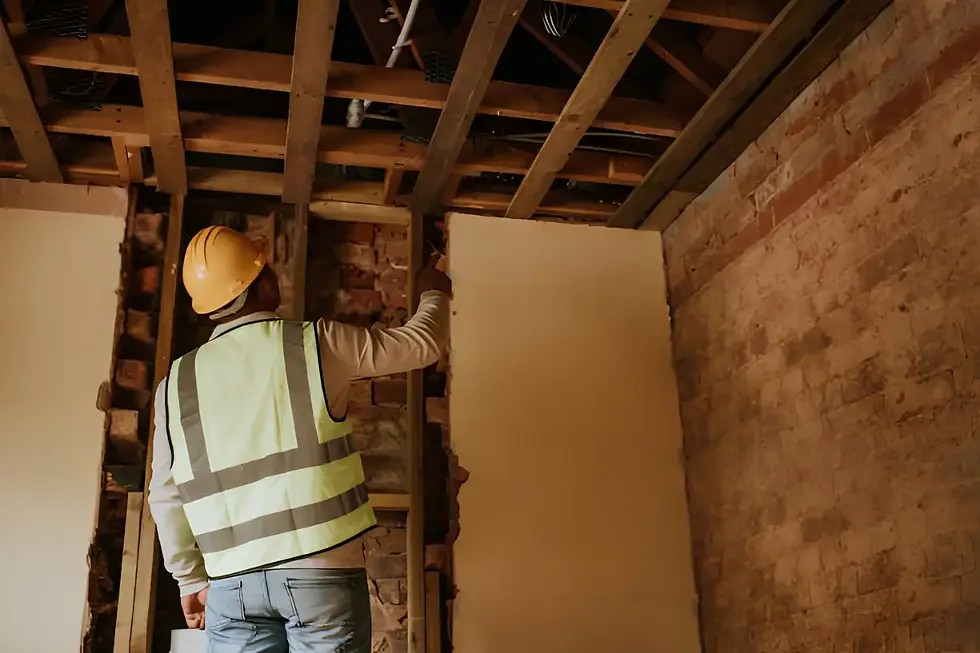
The scope of work is one of the first things to compare. One estimate may include replacing damaged drywall and repainting a room, while the contractor may determine that insulation behind the drywall also needs to be removed and replaced. One may include a small section of flooring, while the other includes the full affected area because matching or properly installing the material requires additional work. Go through both estimates line by line. Compare the affected areas, measurements, quantities, materials, labor, and individual tasks rather than focusing only on the final total.
🧱 Missing Line Items Can Add Up
Sometimes the difference comes from work that simply does not appear on one estimate. Demolition, debris removal, disposal, surface preparation, protection of unaffected areas, equipment, and additional labor can all contribute to the final repair costs. A contractor who is preparing an estimate for the actual restoration may include tasks that were not included in the initial insurance valuation. The same can happen when multiple trades are needed. A property loss might require a contractor, electrician, plumber, flooring professional, painter, or another specialist. If those services are necessary but absent from the original estimate, the total cost can change significantly.
💵 Labor and Material Costs May Differ
Pricing assumptions are another common source of differences. Contractors may use current labor rates and material prices based on the work they are actually preparing to perform. The two estimates may also specify different materials. If the contractor is recommending a particular product or replacement method while the insurance estimate uses another assumption, the resulting numbers will not match. This does not automatically make either estimate correct. The important thing is to understand the basis for each figure and whether it reflects the property and required repairs.

🕵️ Hidden Damage Can Change the Numbers
A contractor may discover additional damage after removing damaged materials or opening an area for repair. Water damage behind drywall, deteriorated subflooring, damaged framing, or affected insulation may not have been visible during the initial inspection. This can create a legitimate difference between the original estimate and the later repair estimate. If additional damage is discovered, document it before and during the repair process whenever possible. Photographs, videos, inspection findings, measurements, and contractor documentation can help show what was discovered and why additional work is necessary.
🏗️ Code Requirements and Unforeseen Repairs
Some repairs can become more involved once the work begins. Building-code requirements may affect how certain areas need to be repaired, while accessing one damaged component may require removal or replacement of another. For example, a contractor may discover that completing the necessary repair requires additional materials, specialized labor, or work in an adjacent area. These unforeseen repairs should be documented rather than simply added to an estimate without explanation. The supporting information can help clarify why the original scope no longer reflects the work required.
💧 What If the Insurance Company Won’t Pay the Contractor Estimate?
If insurance won't pay contractor estimate, do not assume that the only options are paying the difference yourself or abandoning the repair. Start by comparing the estimates carefully. Identify exactly where they differ and gather documentation supporting the additional work. This may include photographs, measurements, contractor notes, invoices, inspection reports, material specifications, and other records that explain the difference. Depending on the circumstances, the additional documentation may support a request for the claim to be reviewed again. If additional covered damage or necessary work is identified and properly supported, a supplemental claim may also be appropriate. The outcome will depend on the policy and the specific facts of the loss.
📑 Document the Difference Before You Dispute It
A claim dispute is easier to understand when the disagreement is specific. Instead of simply stating that the insurance estimate is too low, identify the exact differences. For example, the contractor may have included 500 square feet of flooring while the insurance estimate includes 300. The contractor may have included insulation replacement, while the insurance estimate does not. One estimate may include disposal or specialized labor that is missing from the other. This type of comparison creates a much clearer basis for discussing the claim with the insurance adjuster.

🧾 Don't Ignore the Financial Difference
Before signing a repair agreement, understand what the contractor expects to be paid and how that amount compares with the insurance payment currently available. If the insurance estimate is lower than the contractor's price, the policyholder should understand who is responsible for any difference under the proposed agreement and what happens if the claim is later revised. Do not assume that an insurer will automatically pay the contractor's full estimate simply because the contractor prepared it. Likewise, do not assume that the first insurance estimate represents the final amount that can ever be considered.
🤝 When Professional Claim Help May Make Sense
When the gap between the two estimates is substantial, comparing everything yourself can become difficult. A public adjuster can review the documented damage, compare estimates, identify differences in scope and pricing, organize supporting evidence, and communicate with the insurer.
Base Claims provides professional assistance with property damage claims where the scope, valuation, or documentation has become difficult to reconcile. If your contractor's estimate is substantially higher than the insurance estimate, having the claim professionally reviewed can help clarify what is actually different and what additional documentation may be needed.
You can learn more about Base Claims' public adjusting services and how professional claim assistance can help with complex property damage claims.
❓ Frequently Asked Questions
What should I do if my contractor's estimate is higher than insurance?
Start by comparing the two estimates line by line to identify differences in scope, quantities, pricing, materials, and required work. Additional photographs, measurements, inspection findings, and contractor documentation may be necessary to explain why the figures are different.
Can the insurance company pay more after reviewing a higher estimate?
It may be possible for the claim to be reevaluated when additional damage or necessary work is supported by appropriate documentation. The outcome depends on the policy, the cause of the loss, and the facts supporting the requested adjustment.
Should I sign a repair contract before resolving the estimate difference?
Understand the financial terms of any repair agreement before signing it. In particular, make sure you know the projected repair cost, the insurance payment currently available, and what your financial responsibility could be if the two amounts remain different.
💡 A Higher Estimate Is a Reason to Investigate, Not Guess
When your contractor's estimate is higher than the insurance estimate, the difference needs to be explained before you decide what to do next. The gap may come from missing work, different quantities, labor and material pricing, hidden damage, code requirements, or other differences in the scope. Rather than focusing only on which number is higher, compare the estimates carefully and document the reasons for every significant difference. That gives you a much stronger basis for asking questions, requesting further review, or considering a supplemental claim when appropriate.

Benjamin Licht 954-466-5730
Office 954-466-5730
Don’t wait until it’s too late.


Comments