

Water Damage Claims Can Get Worse Before They Get Better

Why Water Damage Claims Often Grow After the Initial Inspection
Water damage does not stop just because the visible water is gone. A floor may look dry, but dampness can still be trapped underneath. A wall may seem fine, but the material behind it may already be breaking down. That is why the first insurance review does not always show the full cost of the loss.
💧 Why Water Damage Keeps Spreading
Water moves fast, especially inside walls, under floors, behind cabinets, and through ceiling materials. What starts as one wet area can affect nearby rooms before the homeowner realizes how far it traveled. This is why water damage claims often change after the first walkthrough.
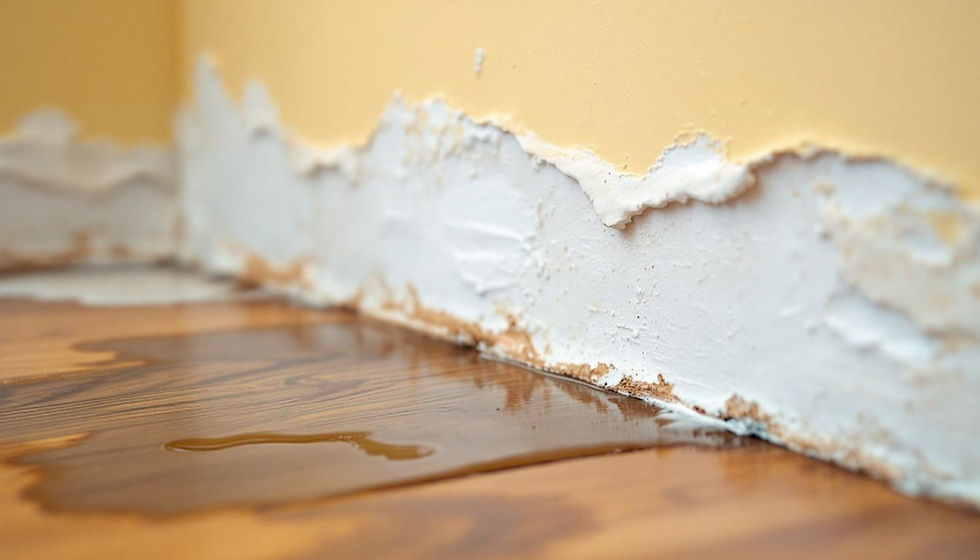
The initial water damage claim estimate may only include what was visible that day, while the real repair scope becomes clearer once cleanup begins. A small stain, lifted floorboard, or damp baseboard can point to a larger issue behind the surface.
⏳ Why the First Inspection May Be Too Early
The first insurance inspection may happen before all damage has appeared. Some materials absorb water slowly. Others may look stable at first and then begin to swell, crack, stain, or separate days later. This creates a problem for homeowners. The insurance company may prepare an estimate based on early signs, then treat the file as complete before the full damage is known.
That is why homeowners should continue documenting changes after the adjuster leaves.
🌫️ Humidity Can Make the Damage Worse
In a warm, damp climate, indoor humidity can make water problems harder to control. Even after standing water is removed, affected materials may continue absorbing dampness from the surrounding air. This can slow the drying process and increase the chance of additional damage. Cabinets may swell, drywall may soften, flooring may buckle, and odors may begin to appear. If the home was not properly evaluated after the loss, the first payout may not include everything needed to restore the affected areas.
⚠️ Mold Can Become a Bigger Claim Issue
Mold can develop when damp materials are not handled quickly or when hidden areas remain wet after cleanup. It may appear behind walls, under flooring, near baseboards, or inside cabinets. The problem is that insurance companies may question whether the issue came from the original water event or from delayed action. This is why fast reporting, clear photos, and repair records matter. Homeowners should not ignore new odors, discoloration, or spreading stains after a leak or overflow.
🛠️ Why Mitigation Matters After a Loss
Mitigation means taking reasonable steps to prevent the damage from getting worse. This may include stopping the water source, removing standing water, protecting belongings, calling emergency cleanup help, and saving damaged materials when safe. These steps can help protect the property and the claim. If the insurance company believes the homeowner failed to act, it may try to reduce the payout or deny certain repairs. Good records can show that the homeowner responded quickly and responsibly.
📸 What Homeowners Should Document
Photos and videos are important before, during, and after cleanup. The damage can change quickly, so one set of photos is often not enough.
Homeowners should document:
📸 The original water source
🏠 Each affected room
🧱 Walls, ceilings, floors, and cabinets
🛠️ Emergency cleanup work
🧾 Contractor or plumber notes
📄 Insurance letters and estimates
⏱️ Dates when new damage appeared
🎥 Videos showing stains, buckling, or leaks
The goal is to show how the damage developed over time and why the first estimate may need to be updated.
🧾 When Additional Damage Should Be Reported
If new damage appears after the first inspection, homeowners should report it quickly. Waiting too long can make it harder to connect the new repairs to the original loss. This may involve asking the insurance company to review the file again or submitting a supplemental claim. That request should include photos, contractor findings, repair notes, and a clear timeline showing when the new issue appeared.
A water damage insurance claim can become stronger when the added repair needs are clearly connected to the first event.
💵 Why the Settlement May Need to Change
The first payment may only reflect the damage that was visible during the initial visit. But once contractors begin work, they may find wet insulation, damaged subflooring, affected cabinets, or materials that cannot be saved.
When that happens, the water damage settlement may need to be reviewed. A payout that looked fair at first can become too low once the full repair cost is known.
Homeowners should compare the insurance estimate with the actual repair scope before accepting the claim as complete.
🔍 What Can Be Missed in the First Estimate
Some repair items are easy to overlook during a quick review. These can include damaged baseboards, flooring underlayment, cabinet boxes, insulation, paint matching, emergency cleanup costs, and hidden damp areas.
The estimate may also leave out proper remediation when affected materials require specialized cleaning or removal.
If the repair company finds more damage during the work, homeowners should pause, document the findings, and update the claim file before the area is covered again.
🛠️ How a Public Adjuster Can Help
When an insurance payout seems too low, an independent review can reveal damage or repair costs that were missed during the original inspection. A public adjuster gathers supporting documentation, evaluates the full extent of the loss, and ensures the claim reflects what it actually takes to restore the property.
Base Claims assists Florida homeowners by building stronger water damage claims with detailed evidence, repair estimates, and policy analysis to pursue the compensation their property damage warrants.
🌿 Why You Should Not Close the Claim Too Quickly
Water damage can continue to reveal itself after the first inspection. That does not mean the homeowner did anything wrong. It often means the first review happened before the full damage was visible.
Before accepting the final payout, homeowners should make sure the repair scope matches what the property actually needs. If new damage appears, the claim deserves another look.
❓ Common Questions About Water Damage Claims
❓Why does water damage get worse over time?
Water can stay trapped behind walls, under floors, and inside materials after the visible water is gone. Over time, this can lead to stains, swelling, odors, material breakdown, and additional repair needs.
❓Can mold be included in a water damage claim?
It depends on the policy, the cause of the water event, and how quickly the issue was addressed. Homeowners should document new growth or odors immediately and keep records showing what steps were taken after the loss.
❓Should hidden water damage be reported later?
Yes. If new related damage appears after the first inspection, it should be reported as soon as possible. Photos, contractor notes, and a clear timeline can help show how it connects to the original event.
❓When should I hire a public adjuster for water damage?
Consider hiring one when the payout seems too low, new damage appears, the insurer questions the cause, or the repair estimate does not match the actual work needed. A public adjuster can help review the file and present the claim more clearly.
📞 Request a Claim Review
If your water damage keeps getting worse after the first inspection, do not assume the first payout is the final answer. Base Claims can review your photos, repair notes, insurance estimate, and claim documents to help determine whether additional covered damage should be included.

Benjamin Licht 954-589-8710
Office 954-466-5730
Don’t wait until it’s too late.


Comments