

How to Document Water Damage Before Adjusters Arrive

Updated: Oct 27
💧 Water Damage Claim Help Through Proper Documentation
When your home suffers from water damage, the first instinct is to clean up the mess quickly. However, before you reach for a mop or call a contractor, the most critical step is documentation. Without proper evidence, insurers may underestimate repair costs or question the extent of loss. Thorough documentation ensures your water damage claim help process goes smoothly establishing a factual record that supports fair compensation.
📸 Why Early Evidence Matters
Water damage spreads fast, and so does its impact on property value. Within hours, moisture can seep into drywall, subfloors, and insulation, creating invisible deterioration. Insurance adjusters rely heavily on visual and technical proof to validate claims. If this data is missing or incomplete, it can lead to undervalued assessments or coverage disputes later.
Taking detailed evidence before cleanup doesn’t just capture the damage it helps demonstrate how far the water traveled, what areas were most affected, and the scale of potential restoration costs.
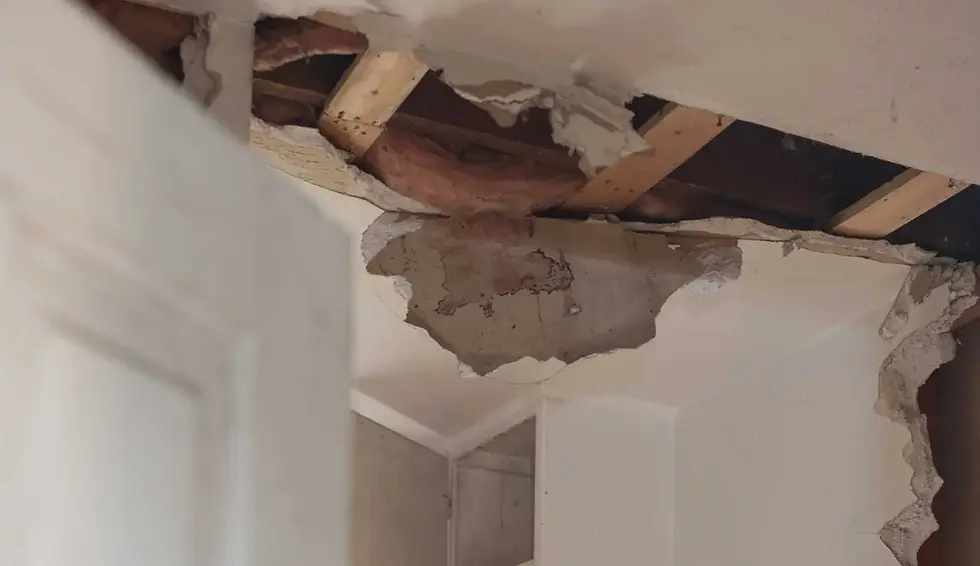
🧭 Step 1: Record the Scene Before Any Cleanup
The first rule of proper documentation is don’t start repairs yet. Begin by capturing every visible sign of water intrusion wet walls, ceilings, flooring, and any discolored or warped materials. Take wide shots to show the entire area and close-ups for specific damages. If safe, include images of the water’s source such as broken pipes, roof leaks, or flooded entry points.
Having timestamps on these photos strengthens your case, proving when the damage occurred and what the initial condition looked like.
🌊 Step 2: Use Moisture Mapping for Hidden Damage

Even after surface drying, water can linger inside walls or beneath flooring. This is where moisture mapping becomes essential. Using moisture meters or thermal imaging tools can help detect unseen dampness that might not be visible to the naked eye.
Documenting these readings shows the extent of saturation, helping insurers understand that not all damage is surface-level. These readings are powerful evidence when arguing for full structural drying and material replacement rather than minimal surface restoration.
🧾 Step 3: Collect Supporting Documentation
Water Insurance claims are data-driven. Beyond images, you should gather documents that support your case repair estimates, invoices, inspection reports, and any emergency service receipts. Include notes about the date of discovery, weather conditions, and immediate steps you took to prevent further damage.
This documentation builds a consistent record that links every action to a verified event, minimizing the chances of claim disputes.
🛠️ Step 4: Take Restoration Photos at Each Stage
As cleanup begins, keep documenting each stage from demolition and drying to rebuilding. These images serve as evidence of progress, justify repair costs, and confirm that the damage was genuine and properly addressed. Maintaining a clear visual timeline also helps counter any insurer’s claim that new issues appeared later, strengthening your overall case.
For New, Denied, or Underpaid Claim Processing Questions, Call Us, Base Claims Public Adjusters of South Florida
🧩 Restoring Accuracy and Value to Your Claim
Thorough documentation is your strongest defense against underpayment or denial. It turns a simple claim into a verifiable case backed by clear, organized evidence. By preparing photos, readings, and detailed records before the adjuster’s visit, you help ensure every affected area is properly assessed. In Florida’s unpredictable climate, where storms and plumbing issues strike without warning, strong documentation can mean the difference between partial compensation and full recovery. Effective evidence isn’t just proof it’s long-term protection for your property’s true value.

Benjamin Licht 954-466-5730
Office 954-466-5730
Don’t wait until it’s too late
Comments